
KEYENCE Rolls Out Full-spectrum ES & EM Proximity Sensor Lineup for Miniaturized Precision Automation
KEYENCE Rolls Out Full-spectrum ES & EM Proximity Sensor Lineup for Miniaturized Precision Automation
Industrial Automation News
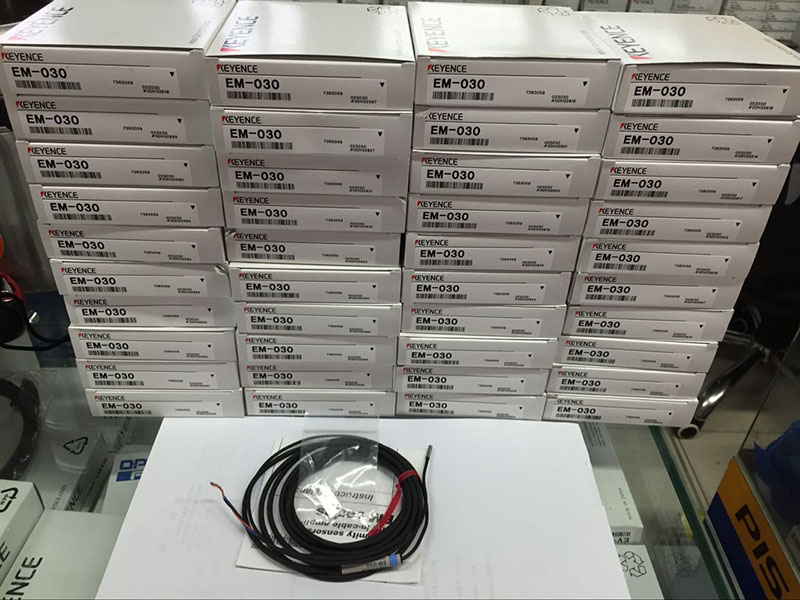
As micro-assembly, semiconductor packaging and compact automated equipment gain widespread adoption across global manufacturing, demand for ultra-small, high-stability inductive proximity sensors has surged dramatically. KEYENCE, the world-leading supplier of industrial detection solutions, has consolidated its mature ES amplifier-separated sensor modules and EM cable-integrated miniature proximity probes into a complete sensing ecosystem, covering models ES-X38, ES-M1, ES-32DC, EM-080, EM-054, EM-038, EM-030SO and EM-030P. The integrated product matrix addresses diverse installation space constraints and high-speed metal detection requirements, delivering consistent, reliable non-contact sensing performance for electronics, automotive, medical device and precision machinery production lines.
Miniaturization is the core trend of modern factory automation. Traditional proximity sensors often fail to fit narrow mounting slots inside jigs, robot end-effectors and compact testing equipment, triggering missed detection and unstable triggering. KEYENCE’s dual ES and EM product lines are engineered to solve this industry pain point through differentiated structural designs, forming a two-tier solution for split amplifier and cable-built-in amplifier applications respectively.
The ES series serves as the signal processing core for separated-type proximity sensing systems, with three mainstream amplifier units covering versatile industrial control demands. ES-X38 is a universal DC amplifier featuring a 15-turn precision sensitivity trimmer, maximum 1ms ultra-fast response, and switchable Normally Open / Normally Closed output modes. Rated for 12–24VDC power supply, it integrates a disconnection alarm output to instantly report cable breakage faults, effectively reducing unplanned production downtime. Its compact DIN rail mounting structure enables centralized layout inside electrical cabinets, ideal for mass sensor signal aggregation on long assembly lines.
ES-M1 acts as the basic master amplifier unit for ES system expansion, supporting one-line wiring design to cut wiring workload significantly. Equipped with dual LED indicators for output status and wire break warning, it delivers stable NPN signal output with 10ms


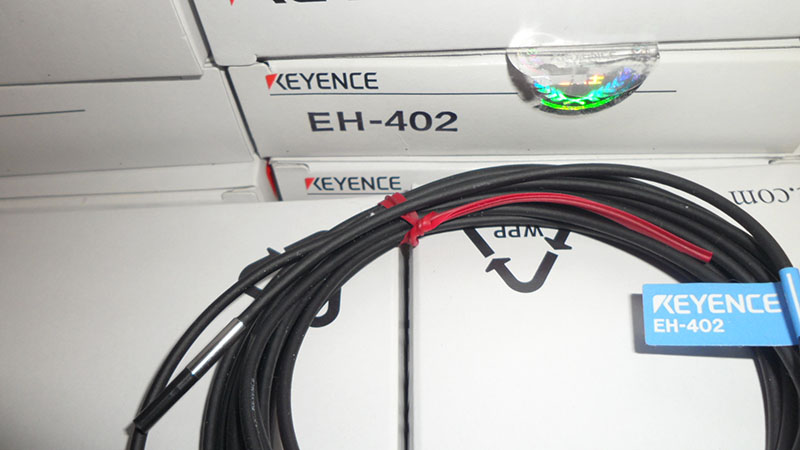

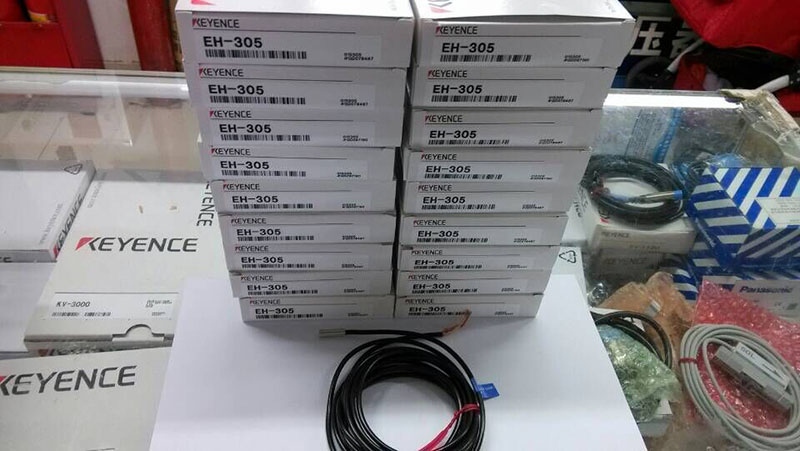


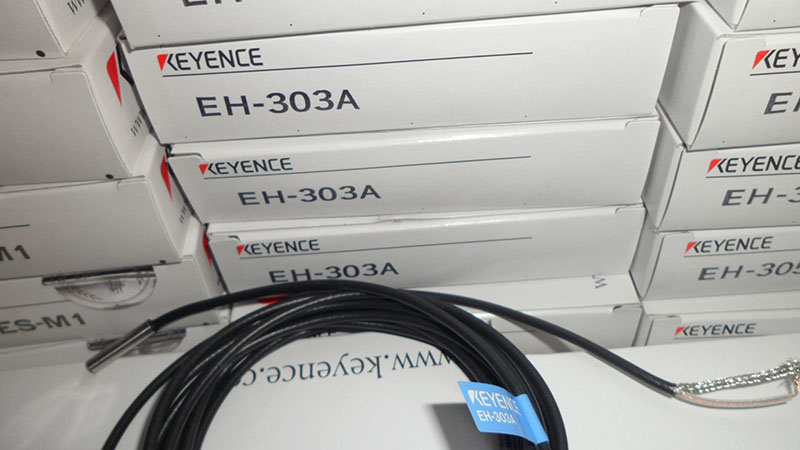
Complementing ES amplifier modules, the EM series consists of ultra-miniature inductive proximity probes with built-in amplifiers inside sensor cables, eliminating separate amplifier installation and saving precious on-machine space. The full lineup includes EM-080, EM-054, EM-038, EM-030SO and EM-030P, covering multiple micro cylindrical diameters for confined-space deployment基恩士.
EM-080 adopts an 8mm-diameter cylindrical housing with a maximum 2.0mm sensing distance, suitable for standard metal part presence verification on automated conveyors. EM-054 shrinks the probe diameter to 5.4mm while retaining 1.2mm stable detection range, tailored for tiny metal pin inspection in connector production. EM-038 and EM-030P feature ultra-slim 3.8mm and 3mm bodies respectively, capable of being embedded inside ultra-narrow fixture grooves and miniature mold cavities where standard sensors cannot be installed. The customized model EM-030SO is optimized for oil mist and coolant-rich machining workshops, with reinforced cable wear resistance and enhanced IP67 waterproof construction to withstand harsh cutting fluid splashing基恩士.
All EM probes adopt shielded construction, permitting flush mounting into metal brackets without detection distance attenuation. Built-in LED status lights on the cable section allow on-site engineers to quickly judge working conditions without opening control boxes. Flexible, oil-resistant cables support repeated bending during robot reciprocating movements, and consistent inductive sensing technology ensures reliable detection of iron, steel and other ferromagnetic workpieces with low hysteresis error.
Industry integrators highlight the complementary advantages of KEYENCE ES and EM series. For equipment designers with abundant cabinet space and multi-point detection needs, ES amplifier + tiny sensor head combinations realize centralized signal management and convenient parameter uniform debugging. For ultra-compact automated jigs, desktop testing equipment and small robotic grippers, standalone EM cable-integrated probes simplify wiring and cut equipment volume, accelerating machine miniaturization design.
From semiconductor micro-component positioning, automotive stamping part counting, medical hardware precision screening to 3C electronic micro-jig detection, the combined ES & EM sensor lineup covers nearly all miniature metal non-contact detection scenarios. Compared with generic proximity sensors on the market, KEYENCE’s models feature stronger anti-electromagnetic interference, lower temperature drift and longer service life, effectively lowering production defect rates and equipment maintenance frequency.
Against the backdrop of accelerated industrial lightweight and micro-automation transformation, miniature high-precision proximity sensors have become indispensable core components of intelligent production equipment. KEYENCE’s complete ES and EM model portfolio provides flexible, high-performance standardized sensing solutions for equipment manufacturers worldwide. The batch deployment of these sensors will continuously boost detection stability of compact automated lines, helping manufacturing enterprises achieve refined, high-efficiency unmanned production.