
ULVAC Vacuum Gauge System (M-11, ISG1, IS-BA1, GP-H)
ULVAC’s M-11, ISG1, IS-BA1, and GP-H form a high-reliability, modular vacuum measurement system designed for precise pressure monitoring across low to ultra-high vacuum ranges. Widely utilized in semiconductors, flat-panel displays, solar cells, and industrial vacuum processes, this system integrates advanced sensor technology with a compact, user-friendly display unit.
Core Components & Key Features
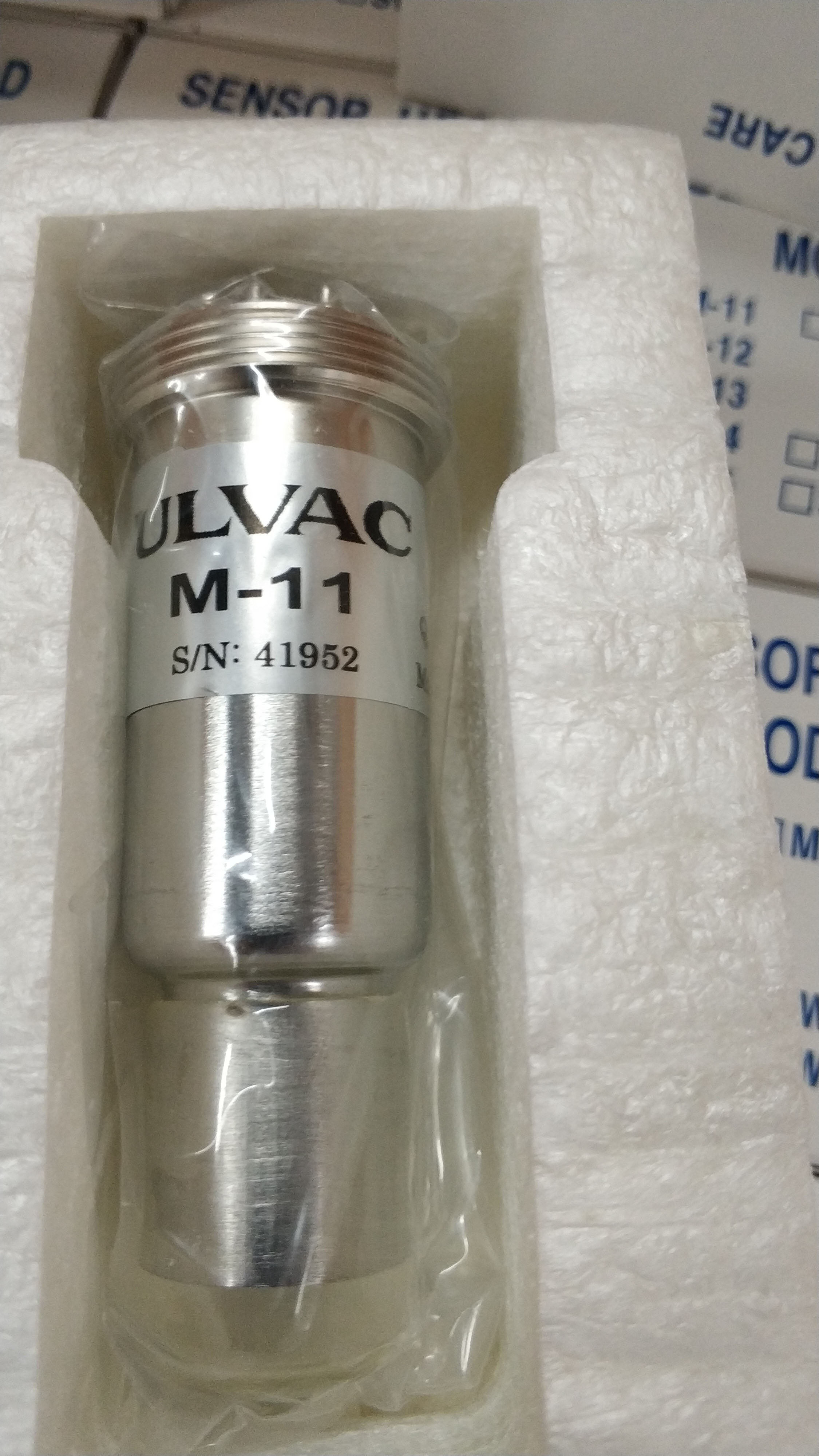
1. M-11 Ionization Gauge Sensor
A high-performance hot cathode ionization sensor engineered for ultra-high vacuum (UHV) measurements.
- Pressure Range: 5×10⁻⁸ Pa to 10 Pa (3.75×10⁻¹⁰ Torr to 7.5×10⁻² Torr)
- Design: Robust metal tube construction, compatible with B-A type sensor headsULVAC Technologies, Inc.
- Accuracy: ±15% of reading (N₂ reference), ensuring stable UHV monitoring
- Application: Ideal for high-vacuum processes like evaporation, sputtering, and vacuum furnaces
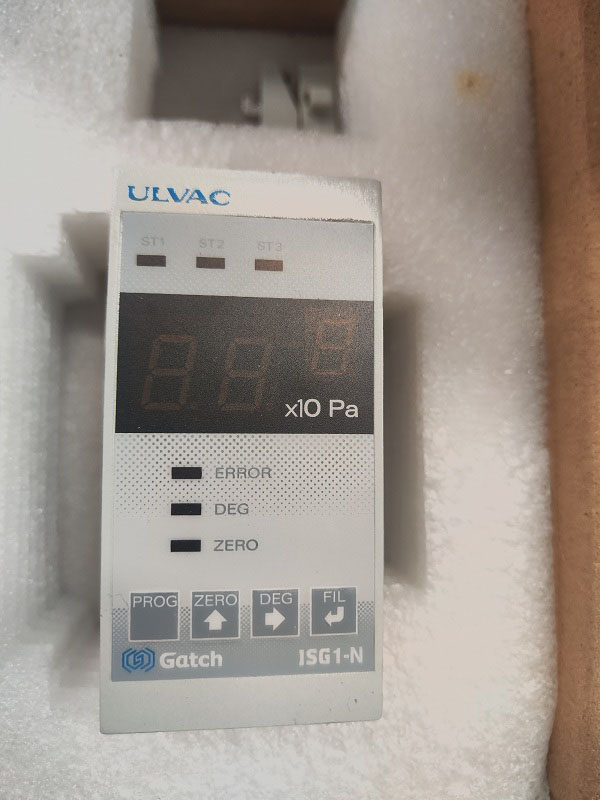
2. ISG1 Single-Channel Display Unit
A compact DIN-standard (48×96 mm) display serving as the system’s central control and readout interface.
- Compatibility: Supports all G-TRAN series sensors (including IS-BA1, GP-H) and CCM series capacitance manometers
- Display: High-visibility LED readout (2-digit mantissa, 1-digit exponent, □.□×10□ Pa)
- Outputs: 0–10 V linear analog output, 3 setpoint relay outputs, and standard RS485 serial communication
- Power: DC 24 V (AC 100–240 V compatible with optional adapter); CE-compliant
- Functionality: Enables remote monitoring, pressure setpoint control, and real-time status indication
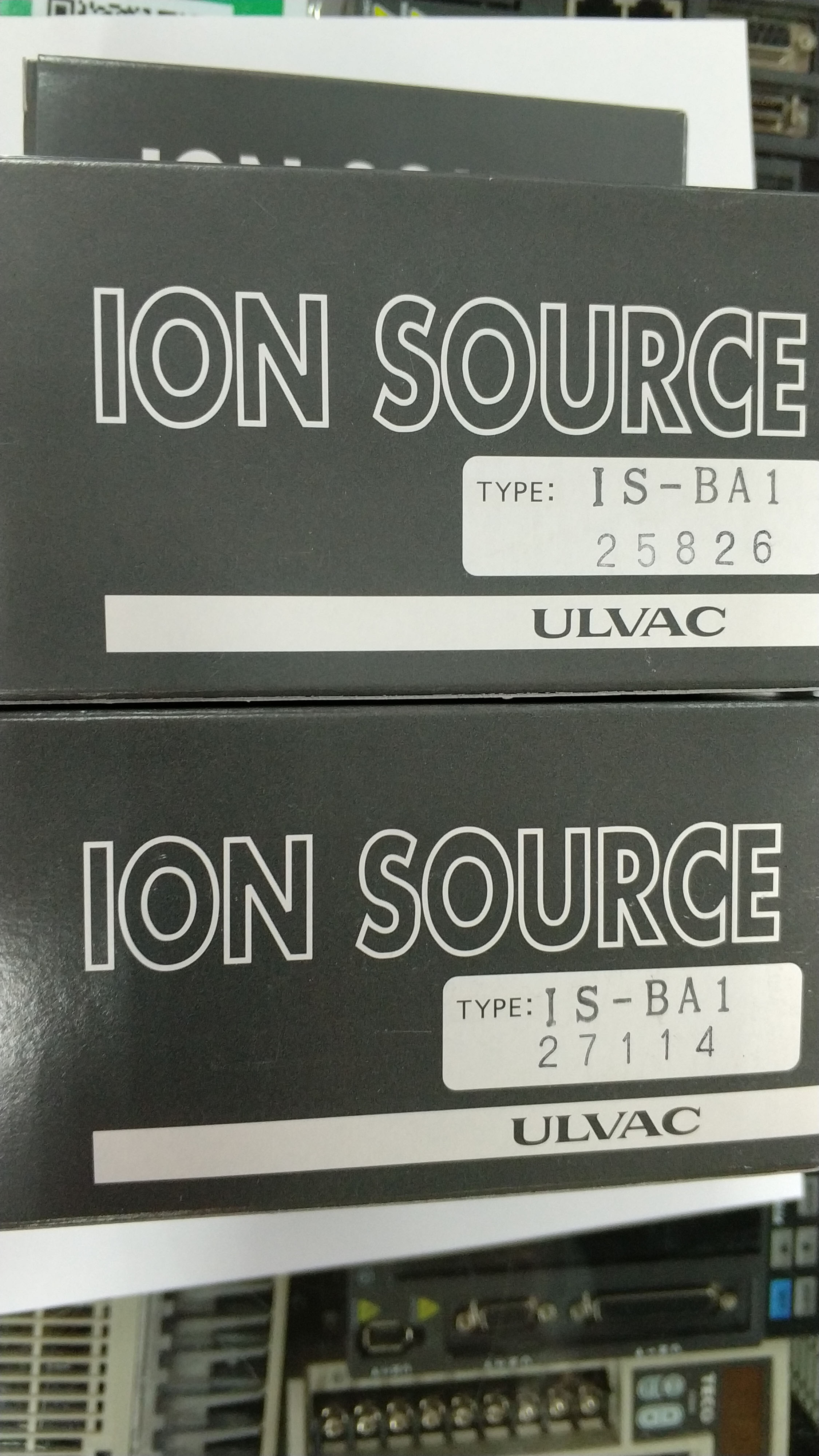
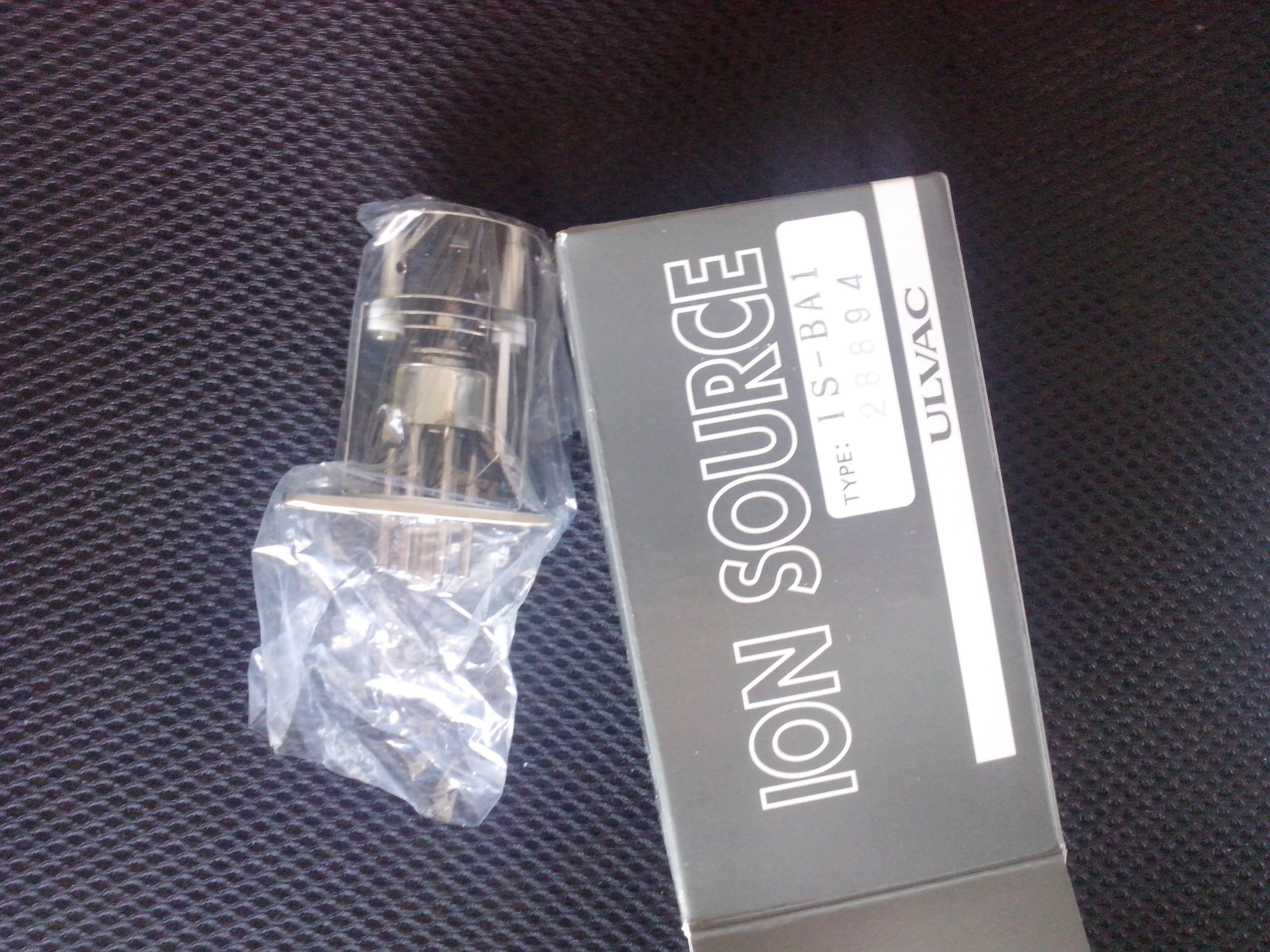
3. IS-BA1 B-A Type Ionization Sensor
A compact, rugged Bayard-Alpert gauge head optimized for high-vacuum measurements.
- Principle: Hot cathode ionization; measures pressure via ion current generated by electron-gas molecule collisions
- Range: 1×10⁻⁷ Pa to 1×10⁻¹ Pa, covering high-vacuum process requirements
- Features: Miniaturized design, filament life monitoring, and excellent stability in harsh vacuum environments
- Accuracy: ±2% (N₂), suitable for precise process control
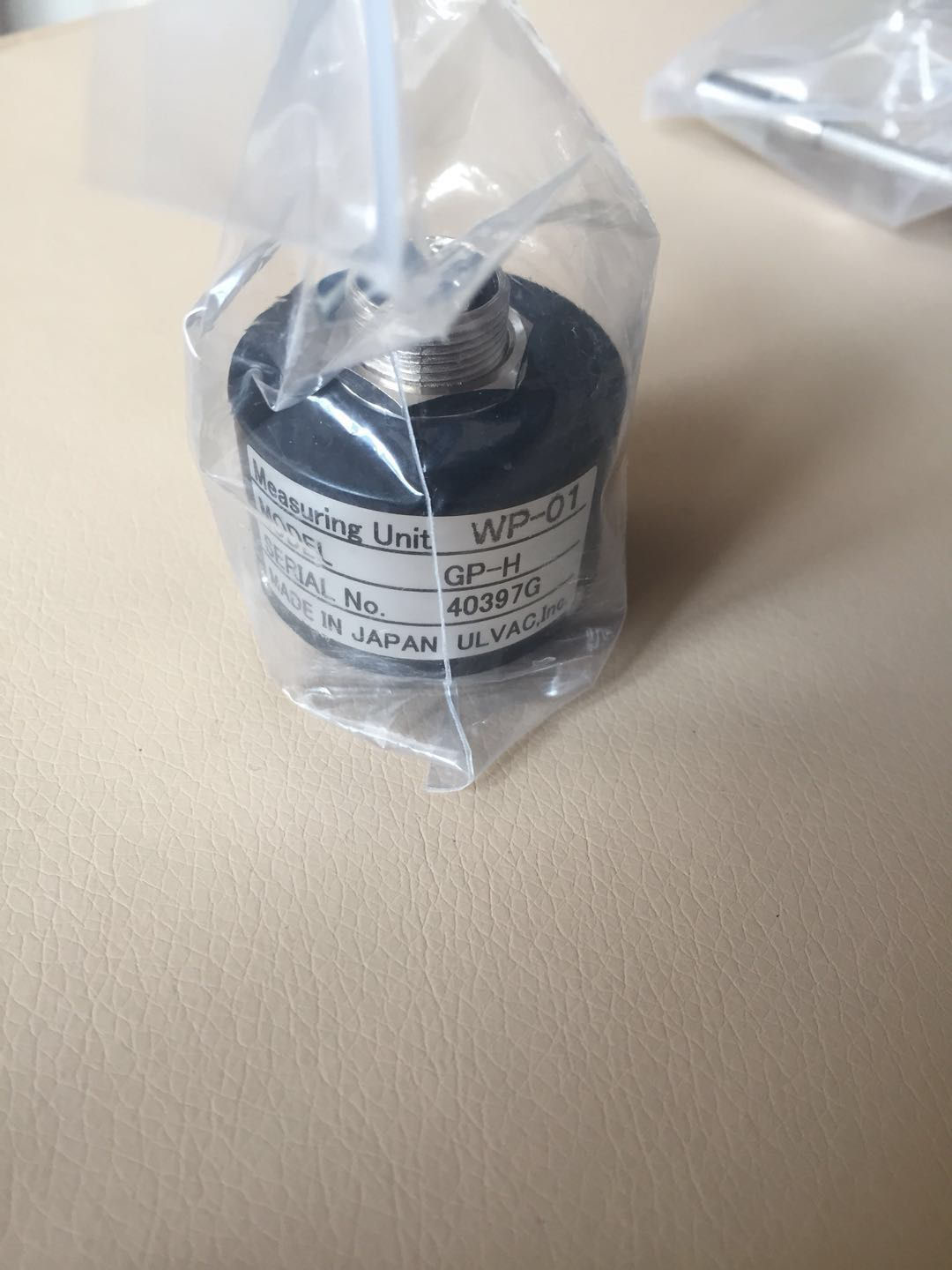
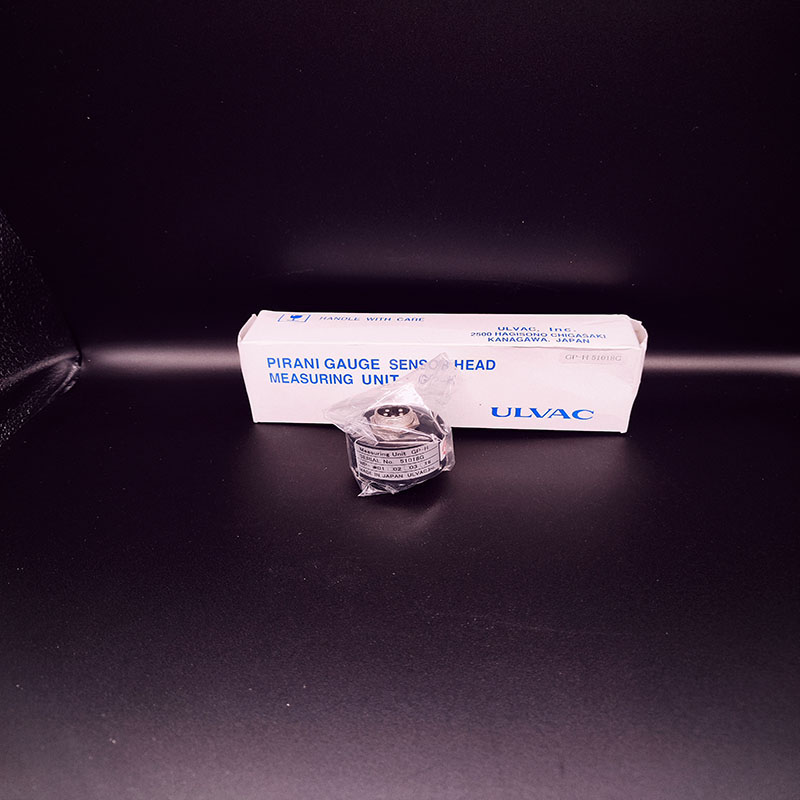
4. GP-H Pirani Vacuum Gauge
A general-purpose thermal conductivity gauge for low-to-medium vacuum measurements.
- Principle: Constant-temperature Pirani design using a corrosion-resistant platinum filament
- Pressure Range: 5×10⁻² Pa to 1×10⁵ Pa (atmosphere), covering rough and low-vacuum regions
- Output: 0–10 V logarithmic analog output; compatible with ISG1 for integrated readout
- Features: Resists burnout at atmospheric pressure, requires no recalibration after cable length changes, and includes ambient temperature compensation
- Application: Perfect for roughing line monitoring, pumpdown control, and low-vacuum process verification
System Advantages
- Wide Range Coverage: Combined, the sensors span from atmospheric pressure to 5×10⁻⁸ Pa, eliminating gaps in vacuum monitoring.
- Modular Flexibility: Mix-and-match sensors (M-11/IS-BA1 for high vacuum, GP-H for low vacuum) with the ISG1 display to suit specific process needs.
- High Precision & Stability: Sensors deliver consistent accuracy, while the ISG1’s digital display and noise immunity ensure reliable data in industrial settings.
- Easy Integration: Compact dimensions, standard signals, and CE compliance simplify installation into new or existing vacuum systems.
- Low Maintenance: Robust sensor designs (platinum filaments, metal envelopes) and filament life alerts reduce downtime and operational costs.
Typical Applications
- Semiconductor manufacturing (etching, deposition, vacuum packaging)
- Flat-panel display (FPD) production
- Solar cell fabrication
- Vacuum coating and thin-film processes
- Industrial vacuum furnaces and heat treatment
- Research laboratories requiring precise vacuum control
This ULVAC system combines proven vacuum measurement technology with modern connectivity and user-centric design, making it a trusted solution for demanding vacuum applications worldwide.